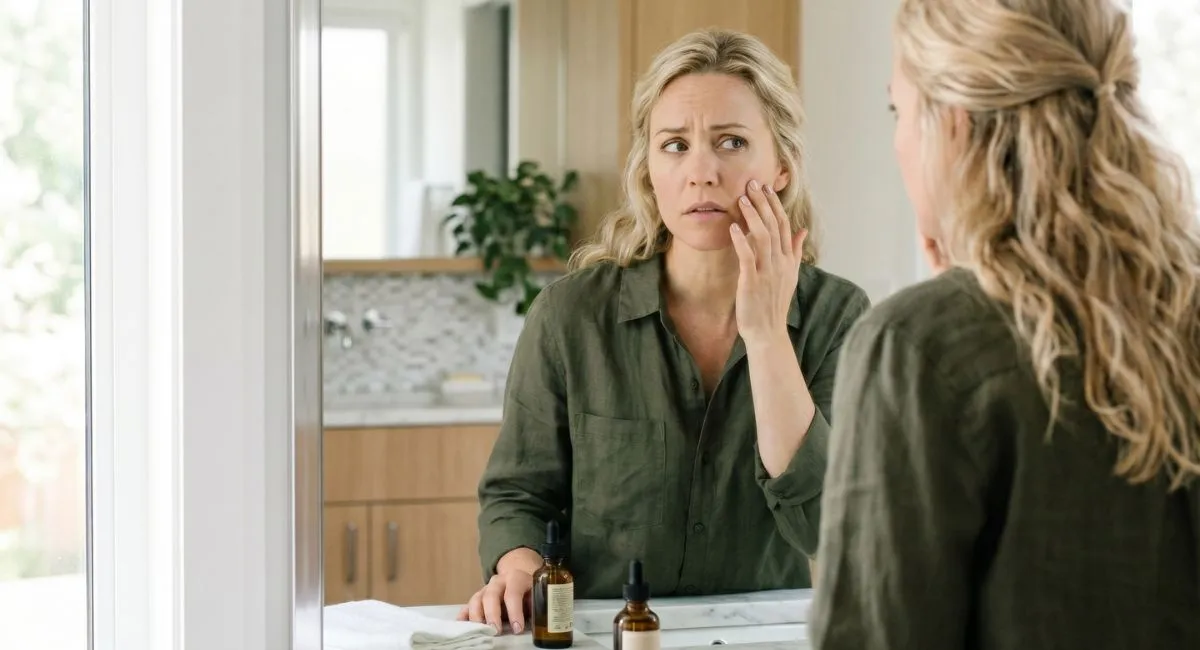
The human body is an intricate machine that, in many cases, can communicate with its owner through signs and symptoms. These manifestations can be subtle or more evident, but they often reveal valuable information about the individual's internal health. Among the main health indicators are aspects such as the condition of the eyes, nails, and skin. These elements, which are often overlooked, can be the first to show changes when there is a nutritional or hormonal deficiency. For example, the appearance of spots on the nails may indicate a vitamin deficiency, while hair loss may be a sign of hormonal problems or stress.
Studies indicate that about 60% of the population may have some type of visible alteration in their eyes, nails, or skin at some point in their lives. According to the World Health Organization (WHO), these alterations can be predictive of more serious conditions, such as autoimmune diseases, hormonal imbalances, or nutritional deficiencies. Therefore, it is crucial to know how to interpret these signs and seek medical help when necessary.
In this article, we will explore in depth how small changes in the eyes, nails, and skin can reveal much about internal health. We will address the relationship between skin health and vitamin deficiencies, such as vitamin D and vitamin E, and we will also discuss the signs that may indicate hormonal problems, such as hair loss and dry skin. Additionally, we will present practical tips to improve the health of skin, nails, and eyes, as well as a FAQ to answer the most common questions on the subject.
1. Eye Health and What It Reveals
The eyes are considered the window to the soul, but they can also be seen as a reflection of the overall health of the body. Various health conditions can manifest first in the eyes, and it is important to pay attention to any changes that occur.
1.1 Dry and Tired Eyes
The sensation of tiredness and dryness in the eyes can be an indicator of dehydration or more serious health issues, such as dry eye syndrome. Dehydration can occur due to insufficient water intake or excessive caffeine consumption. Additionally, prolonged exposure to computer screens is also a common cause of tired and dry eyes.
1.2 Yellowing of the Eyes
Yellowing of the eyes, especially in the white part (sclera), can be a sign of jaundice, indicating problems with the liver, gallbladder, or pancreas. This occurs when there is an accumulation of bilirubin in the blood, which is a pigment produced during the breakdown of red blood cells.
1.3 Red Eyes
Red eyes can be caused by a variety of factors, including allergies, infections, or eye fatigue. If the eyes are frequently red, it may be necessary to investigate possible allergies or underlying conditions.
2. Nails: Indicators of General Health
Nails can reveal a lot about a person's health. Changes in their color, texture, or shape can indicate health problems. It is essential to be attentive to these signs and seek a doctor if significant changes are noticed.
2.1 White Spots on Nails
White spots on the nails, known as leukonychia, can be caused by physical trauma, but they can also indicate nutritional deficiencies, such as a lack of zinc or proteins. If the spots persist, it is advisable to consult a dermatologist.
2.2 Brittle Nails
Brittle and fragile nails can be a sign of dehydration, vitamin D deficiency, or calcium deficiency. Adequate intake of these nutrients is essential for nail health, and therefore it is important to maintain a balanced diet.
2.3 Yellowed Nails
Yellowed nails can be a sign of fungal infection or systemic diseases, such as diabetes. Diabetes, for example, can affect blood circulation and nail health.
3. The Skin and Its Messages
The skin is the largest organ of the human body and serves as a protective barrier. In addition to its physiological function, the skin is an excellent indicator of internal health. Changes in its appearance can signal nutritional, hormonal, or dermatological problems.
3.1 Dry and Scaly Skin
Dry skin can be a sign of dehydration, but it can also indicate conditions such as eczema or psoriasis. A deficiency of essential fatty acids, such as omega-3s, can also contribute to skin dryness.
3.2 Acne and Skin Problems
Although acne is commonly associated with adolescence, it can occur at any stage of life and is often related to hormonal changes. Stress, poor diet, and lack of sleep can also exacerbate the condition.
3.3 Age Spots
Age spots, often referred to as liver spots, can arise due to excessive sun exposure and collagen degradation. Sun protection and the use of antioxidants can help prevent their appearance.
4. The Relationship Between Nutrition and the Health of Skin, Nails, and Eyes
A balanced diet is fundamental for maintaining the health of the skin, nails, and eyes. A deficiency of certain nutrients can lead to visible changes and health problems. Here, we address some of the main vitamins and minerals that affect external health.
4.1 Essential Vitamins for Health
- Vitamin A: Important for eye health and skin regeneration.
- Vitamin C: Essential for collagen production and skin health.
- Vitamin D: Helps in calcium absorption and is crucial for nail health.
- B-Complex Vitamins: Important for hair and nail health.
- Vitamin E: Acts as a potent antioxidant, protecting the skin from damage.
4.2 Crucial Minerals
- Zinc: Helps in wound healing and nail health.
- Calcium: Essential for bone and nail health.
- Selenium: Has antioxidant properties and is important for skin health.
- Iron: A lack of iron can cause brittle nails and hair loss.
- Magnesium: Contributes to skin health and may help combat stress.
5. Practical Tips to Improve Eye, Nail, and Skin Health
In addition to paying attention to changes occurring in the eyes, nails, and skin, implementing some practical tips can help improve overall health. Here are some suggestions:
5.1 Adequate Hydration
Stay hydrated by drinking at least 2 liters of water a day. Hydration is essential for skin health and for preventing dry eyes.
5.2 Balanced Diet
Include a variety of fruits, vegetables, lean proteins, and whole grains in your diet. Foods rich in antioxidants, such as berries and leafy green vegetables, are particularly beneficial.
5.3 Skin Care
Use sunscreen daily to protect the skin from damage caused by UV rays. Additionally, apply appropriate moisturizers to keep the skin in good condition.
5.4 Eye Care
Take regular breaks when using electronic devices and consider using artificial tears if you frequently experience dry eyes.
5.5 Supplementation When Necessary
If you suspect nutritional deficiencies, talk to a nutritionist about the possibility of supplementation. Vitamins and minerals can be essential for nail and skin health.
6. FAQ - Frequently Asked Questions
6.1 What does yellowing of the nails mean?
Yellowed nails can indicate a fungal infection or diseases such as diabetes. It is recommended to consult a dermatologist if this symptom persists.
6.2 How can I tell if I am dehydrated?
Signs of dehydration may include dry mouth, dark urine, and dry skin. Maintaining good water intake is essential to avoid these problems.
6.3 Which vitamins are good for skin health?
Vitamins A, C, D, and E are essential for skin health. They help in cell regeneration, collagen production, and protection against damage.
6.4 What can I do to strengthen my nails?
A diet rich in proteins, zinc, and calcium, along with adequate hydration and the use of nail strengtheners, can help keep them healthy.
6.5 How can I improve eye health?
Consume foods rich in lutein and zeaxanthin, such as spinach and carrots, and take regular breaks when using electronic devices.
Conclusion
Being attentive to changes occurring in the eyes, nails, and skin can provide valuable information about the internal health of the body. These changes are often the first signs of nutritional deficiencies or more serious health problems. Through a healthy diet, adequate hydration, and regular care, it is possible not only to improve external appearance but also to promote robust internal health. Do not hesitate to consult health professionals if you notice significant changes in your condition. Prevention and attention to health are fundamental for a long and healthy life.


