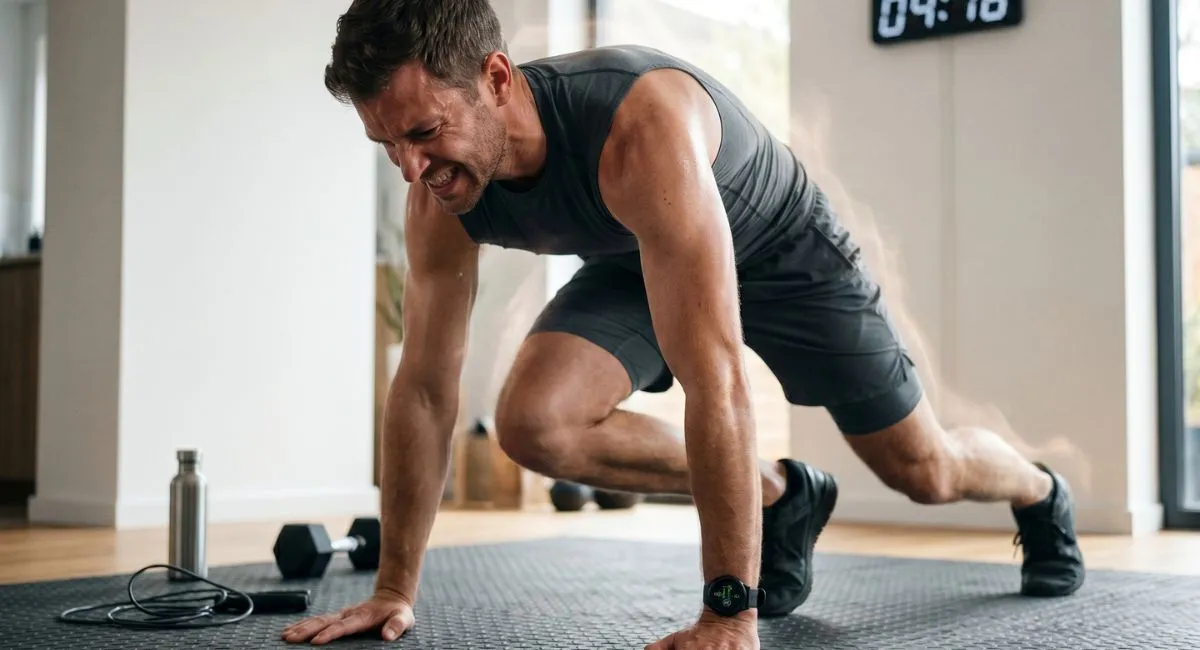
In recent years, the search for efficient methods of burning fat and improving cardiovascular health without spending hours at the gym has grown considerably. People are increasingly interested in quick and effective solutions that fit into their busy routines. And this is exactly where high-intensity training, known as HIIT (High-Intensity Interval Training), comes in, promising to burn more fat in 15 minutes than a traditional hour of walking.
What is HIIT Training?
HIIT, or High-Intensity Interval Training, is a physical exercise method that alternates between short periods of intense activity and recovery periods. This type of training is designed to increase heart rate and burn more calories in less time. Studies have shown that HIIT can not only increase fat burning during the workout but also continue to burn calories after the workout.
How Does HIIT Work?
The mechanism behind HIIT is based on short sessions of intense exercise followed by rest intervals. During high-intensity periods, the body is forced to use more oxygen than during traditional exercise, known as EPOC (Excess Post-Exercise Oxygen Consumption). This means you continue to burn calories at an elevated rate after the exercise ends.
Benefits of HIIT
- Efficient fat burning: HIIT is especially effective at burning abdominal fat, one of the hardest areas to target.
- Time-saving: HIIT sessions can last from 10 to 30 minutes, making it an ideal option for those with busy schedules.
- Increased metabolism: HIIT boosts metabolic rate for several hours after exercise.
- Improved cardiovascular health: This type of training improves heart health and blood pressure.
- Increased aerobic and anaerobic capacity: HIIT improves both endurance and strength.
Comparison: HIIT vs. Walking
Walking is an excellent low-impact form of aerobic exercise that helps maintain good cardiovascular health and promotes calorie burning. However, when compared to HIIT, walking has some limitations in terms of fat burning and metabolism boosting.
Impact on Metabolism
While walking increases metabolism during the activity, HIIT continues to elevate metabolism for up to 24 hours after exercise. This is due to EPOC, which is not as significant in low-intensity activities like walking.
Calorie Burning
"A study published in the Journal of Obesity showed that individuals who practiced HIIT burned more body and abdominal fat than those who performed moderate-intensity exercises, such as walking."
Another study demonstrated that a 15-minute HIIT session can burn more calories than an hour of walking, especially when intensity is kept at high levels.
Implementing HIIT at Home
One of the great advantages of HIIT is its flexibility - it can be done at home without the need for expensive equipment. Here are some examples of exercises you can incorporate into your HIIT routine:
Simple HIIT Exercises
- Jumping Jacks: An excellent exercise to start with, quickly warms up the body.
- Burpees: Works multiple muscle groups and quickly increases heart rate.
- Jump Squats: Focus on leg and glute muscles, ideal for calorie burning.
- Mountain Climbers: Great for the core and upper body.
- Push-ups: A classic that strengthens the upper body and core.
How to Maximize HIIT Results
To get the most out of your HIIT workout, it's important to follow some guidelines that can help maximize fat burning and improve overall fitness.
Duration and Frequency
- Perform sessions of 15 to 20 minutes, 3 to 4 times a week.
- Make sure to include rest days between sessions for muscle recovery.
Proper Nutrition
Fuel your body with a balanced diet to ensure you have enough energy for workouts. Focus on lean proteins, complex carbohydrates, and healthy fats.
Practical Tips for Incorporating HIIT
Incorporating HIIT into your routine doesn't have to be complicated. Here are some tips to help you get started:
- Set a schedule: Choose the days and times that best fit your routine to perform your workouts.
- Use workout apps: There are many apps that offer guided HIIT workouts for beginners.
- Stay motivated: Find a workout partner or join online groups to share experiences and results.
- Track your progress: Use a workout journal or apps to monitor your improvements.
- Vary the exercises: Keep your workout interesting by changing exercises regularly.
FAQ
- Is HIIT suitable for all ages? While HIIT is effective for many people, it's always best to consult a doctor before starting, especially for the elderly or those with pre-existing health conditions.
- Can you lose weight just with HIIT? Yes, HIIT can be very effective for weight loss when combined with a healthy and balanced diet.
- How many minutes of HIIT are recommended? Sessions of 15 to 30 minutes are generally sufficient to achieve significant benefits.
- Can I do HIIT every day? It's recommended to have rest days to allow the body to recover, usually 3 to 4 times a week is ideal.
- Do I need equipment to do HIIT? No, many HIIT exercises can be done with body weight, without the need for equipment.
Conclusion
HIIT training represents a revolution in the fitness world, allowing people of all ages and fitness levels to improve their health efficiently and practically. With just 15 minutes of training a day, it is possible not only to burn more fat than in longer sessions of traditional exercises but also to improve cardiovascular health and increase endurance.
"According to recent studies, such as the one published in the Journal of Applied Physiology, HIIT is not only an effective fat-burning method but also improves metabolic and cardiovascular health."
So, if you're looking for an effective way to improve your physical condition without spending hours at the gym, HIIT might be the ideal solution. Start today, adopt this practice, and see how your body and health can change quickly with just a few minutes of intense effort.


